

Understanding Dandruff Causes and Top G Code Tips for Healthy Hair Solutions

Dandruff is a common scalp condition that affects millions of people worldwide. It can cause visible flakes on the scalp and shoulders, itching, and discomfort. Despite being widespread, dandruff often carries a stigma that can impact self-confidence and social interactions. Understanding what causes dandruff and how to manage it effectively can help you maintain a healthy scalp and feel more comfortable in your skin.
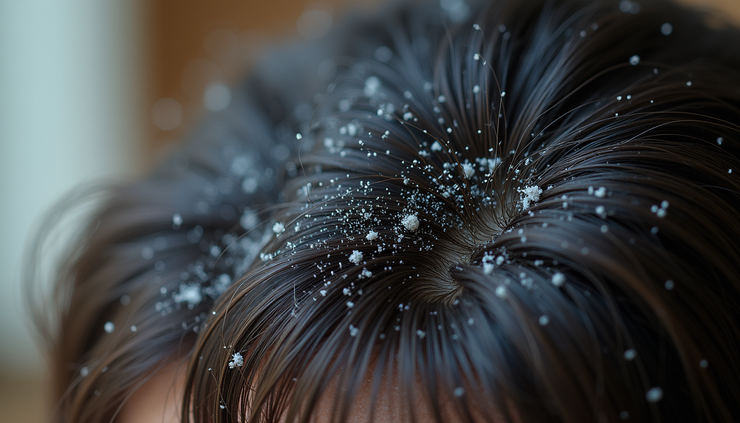
Close-up view of dandruff flakes on scalp and hair strands
Common Causes of Dandruff
Dandruff results from several factors that disrupt the natural balance of the scalp. Knowing these causes helps in choosing the right treatment.
Dry Skin
Dry skin is one of the most frequent causes of dandruff. When the scalp lacks moisture, it becomes flaky and itchy. This type of dandruff usually produces smaller, less oily flakes compared to other causes. Dry environments, cold weather, and harsh shampoos can worsen dry scalp conditions.
Fungal Infections
A yeast-like fungus called Malassezia naturally lives on the scalp. In some people, this fungus grows out of control, feeding on oils produced by hair follicles. This overgrowth irritates the scalp, causing redness, itching, and flaking. This type of dandruff often produces larger, oily flakes.
Sensitivity to Hair Products
Some hair care products contain ingredients that irritate the scalp or cause allergic reactions. This sensitivity can lead to scalp inflammation and dandruff. Common irritants include certain fragrances, preservatives, and harsh chemicals found in shampoos, conditioners, and styling products.
Other Factors
Oily skin can contribute to dandruff by creating an environment where fungus thrives.
Hormonal changes may affect scalp health.
Stress can worsen dandruff symptoms.
Poor hygiene or infrequent hair washing can allow flakes and oils to build up.
How Dandruff Affects Self-Esteem and Social Life
Ignoring dandruff may seem harmless, but it can have deeper effects beyond physical discomfort.
Visible flakes on clothing can cause embarrassment.
Itching and irritation may distract and reduce focus.
Self-consciousness about appearance can lower confidence.
Avoidance of social situations or close contact due to fear of judgment.
Many people feel uncomfortable discussing dandruff, which can delay seeking treatment. Understanding that dandruff is a common and manageable condition helps reduce stigma and encourages proactive care.
Effective Solutions for Managing Dandruff
Treating dandruff involves addressing its root causes and maintaining a healthy scalp. Here are practical steps and remedies that can help.
Proper Hair Care Routine
Wash hair regularly with a gentle shampoo to remove flakes and excess oils.
Avoid hot water, which can dry out the scalp.
Use a soft brush to stimulate the scalp and improve circulation.
Limit the use of hair styling products that may irritate the scalp.
Over-the-Counter Treatments
Several medicated shampoos and treatments are available without a prescription. Look for products containing:
Zinc pyrithione: Reduces fungus and bacteria.
Ketoconazole: Antifungal agent effective against Malassezia.
Selenium sulfide: Slows down skin cell turnover.
Salicylic acid: Helps remove dead skin cells.
Coal tar: Slows skin cell growth and reduces inflammation.
Follow product instructions carefully. If one treatment does not work after several weeks, try another or consult a healthcare professional.
Natural Remedies
Some people find relief using natural ingredients, although results vary.
Tea tree oil: Has antifungal and antibacterial properties. Dilute before applying to avoid irritation.
Aloe vera: Soothes itching and inflammation.
Apple cider vinegar: Balances scalp pH and reduces fungus growth.
Coconut oil: Moisturizes dry scalp and has antimicrobial effects.
Test any natural remedy on a small skin area first to check for sensitivity.
Tips for Long-Term Scalp Health
Maintain a balanced diet rich in vitamins and minerals.
Manage stress through relaxation techniques.
Stay hydrated to support skin health.
Avoid excessive heat styling and chemical treatments.
Change pillowcases and hats regularly to reduce buildup.

Comments